
You’ve saved for the down payment. You’ve estimated your mortgage payment. You may even have a price range in mind.
But how much will buying the home actually cost?
The purchase price and down payment are only part of the equation. Los Angeles homebuyers have to also think about encountering closing costs, inspections, loan expenses, property taxes, insurance, HOA fees, moving expenses, repairs, and ongoing maintenance.
Some of these costs happen before you receive the keys. Others can show up months after you’ve moved in.
Understanding these expenses before you start making offers can help you build a more realistic home buying budget and avoid unwelcome financial surprises after closing.
Quick Answer: What Costs Should Los Angeles Homebuyers Plan For?
Beyond your down payment and monthly mortgage payment, you may need to budget for:
- Closing costs
- General and specialized home inspections
- Appraisal and lender fees
- Property taxes and supplemental property taxes
- Homeowners insurance
- Earthquake insurance considerations
- HOA dues and possible assessments
- Utilities
- Repairs and maintenance
- Moving and move-in expenses
Not every buyer will encounter every expense, and costs can vary considerably from one purchase to another. That’s why it’s important to estimate the expenses associated with the specific property and financing you’re considering.

How Much Money Should You Have Beyond Your Down Payment?
There isn’t one number that works for every Los Angeles homebuyer.
Instead of relying on a universal percentage, buyers should consider the individual expenses they may encounter before, during, and after closing.
Before making an offer, try to get a clearer understanding of your:
- Estimated closing costs
- Inspection budget
- Insurance estimate
- Expected property taxes
- HOA expenses, if applicable
- Moving expenses
- Initial repair and move-in fund
- Emergency savings
The right amount will be different for every buyer and every property.
A lender, real estate agent, insurance professional, inspector, and other professionals involved in your purchase can help you get more specific estimates as you move through the buying process.
1. Closing Costs: Your Down Payment Isn’t the Finish Line
Your down payment may be the largest upfront expense you’ve been planning for, but it isn’t necessarily the last amount you’ll need before getting the keys.
This section should explain:
- What closing costs are
- Examples of costs that may be included
- Why costs vary depending on the transaction and financing
- When buyers begin receiving estimates
- Why buyers should plan for these expenses separately from their down payment
Rather than giving readers a generic percentage, we’ll explain how buyers can get an estimate based on their actual purchase and financing.
2. The Inspection May Lead to More Inspections
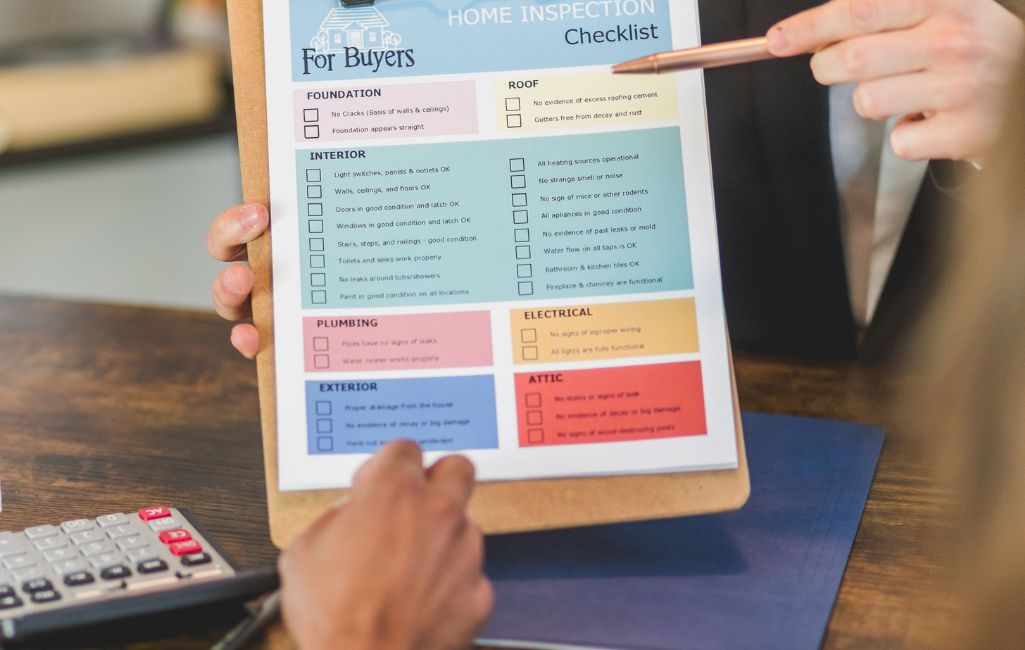
A general home inspection is an important part of evaluating a property, but it may not answer every question about the home’s condition.
Depending on the property, its age, its condition, and what the initial inspection uncovers, a buyer may decide to pursue additional specialized inspections.
This section should explain:
- What buyers can generally expect from a home inspection
- Why additional inspections may be considered
- How multiple inspections can add to upfront expenses
- Why inspection costs can vary by property and service
We should also give the reader an actionable next step:
Not sure where to start? Your real estate agent can provide referrals to qualified local inspectors, while you remain free to choose the inspector you’re most comfortable working with.
We should be careful not to imply that Town Square guarantees the work of a particular inspector.
3. Your Loan Comes With Expenses Too
If you’re financing your purchase, the mortgage itself may come with expenses beyond your down payment.
This section should discuss costs that may be associated with financing, including applicable appraisal, lender, and other loan-related charges.
More importantly, we’ll show buyers where to find their actual numbers rather than simply listing possible fees.
We should explain:
- The Loan Estimate
- The Closing Disclosure
- Where buyers can review estimated loan and closing costs
- Why financing costs can differ between buyers and loan products
Then provide a practical next step:
Speaking with a loan officer early in your home search can help you understand the costs associated with your specific financing options. If you need a referral, a Town Square Real Estate agent can also connect you with experienced loan professionals, or you can choose a lender of your own.
4. The Property Tax Bill Buyers May Not Expect
This should be one of the most useful sections of the article.
California’s supplemental property tax system can create an expense that some new homeowners may not expect after purchasing a property.
I’d open the section with:
You may receive another property tax bill after buying your home, and it isn’t necessarily a mistake.
Then explain:
- What a supplemental assessment is
- Why a change in ownership can trigger one
- How it relates to the property’s newly assessed value
- Why the timing of the bill may surprise a new homeowner
- Why buyers should account for property taxes when planning their post-closing budget
We can also include a callout:
Bought the house, closed escrow, and then received another property tax bill? It may be a supplemental property tax bill, and it doesn’t necessarily mean you’ve been charged incorrectly.
This section needs to be carefully researched using current Los Angeles County and California sources before publication.
5. Homeowners Insurance May Be More Complicated Than You Expect
Homeowners insurance shouldn’t be treated as a single line item in the article.
For Los Angeles buyers, we should answer practical questions such as:
- What does a homeowners policy generally cover?
- What isn’t typically covered?
- Is earthquake damage included in a standard policy?
- When should buyers begin getting insurance quotes?
- Why might the cost or availability of coverage vary between properties?
Rather than telling readers whether they personally need earthquake insurance, we’ll explain the coverage distinction and encourage them to discuss their individual needs with a qualified insurance professional.

6. HOA Dues Aren’t the Only HOA Expense to Consider
Buyers considering a condominium, townhouse, or another property within a homeowners association may already expect monthly HOA dues.
But dues aren’t necessarily the only HOA-related expense worth investigating.
This section should explain:
- Regular HOA dues
- What those dues may pay for
- Possible special assessments
- Why buyers should review HOA documents
- Why the financial condition of an association matters
The goal is to encourage buyers to understand the financial obligations associated with a particular property before purchasing it.
7. Your Utility Bills Could Change After You Move
A buyer moving from an apartment into a single-family home may find that their monthly household expenses look very different.
Potential expenses can include:
- Electricity
- Gas
- Water
- Trash
- Internet
- Landscaping or outdoor maintenance
Instead of estimating what a buyer’s utilities will cost, we’ll explain how factors such as home size, heating and cooling, landscaping, appliances, and household usage can affect monthly expenses.
8. “Move-In Ready” Doesn’t Mean Expense-Free
A beautifully presented home can still come with expenses immediately after closing.
New homeowners may find themselves purchasing or paying for:
- New locks
- Window coverings
- Minor repairs
- Paint
- Appliances
- Landscaping
- Furniture
- Other household necessities
Individually, some of these expenses may seem relatively small. Together, they can make the first few months of homeownership more expensive than anticipated.
This section should encourage buyers to leave some room in their budget for getting settled rather than spending every available dollar on the transaction itself.

9. Maintenance Starts on Day One
Repairs and maintenance aren’t the same thing.
A repair usually addresses something that has broken or stopped working. Maintenance involves the routine work required to keep the property and its systems in good condition.
Depending on the home, ongoing expenses might include:
- HVAC servicing
- Landscaping
- Pest control
- Filters
- Cleaning
- Gutter or roof maintenance
- Routine servicing of appliances and home systems
Instead of relying on a blanket rule such as “save 1% of your home’s value every year,” we’ll explain that maintenance needs vary depending on the home’s age, condition, size, systems, and other characteristics.

10. Don’t Forget the Cost of Moving
Closing day isn’t necessarily the end of your home buying expenses.
Depending on your move, you may also need to budget for:
- Movers
- Boxes and packing materials
- Storage
- Utility setup
- Furniture
- Appliances
- Other move-in purchases
This can be a shorter section, but it’s worth including because these expenses often occur at the same time buyers have already spent significant amounts on their purchase.
FAQ About the Costs of Buying a Home in Los Angeles
What closing costs do buyers pay in Los Angeles?
Give a concise answer explaining that closing costs vary and identify common categories without suggesting that every buyer pays the same fees.
Are closing costs included in the down payment?
Clearly distinguish between a buyer’s down payment and closing costs.
What is a supplemental property tax bill in California?
Give a concise explanation based on current California and Los Angeles County guidance, then direct readers back to the more detailed section above.
Does homeowners insurance cover earthquakes in California?
Explain the distinction between standard homeowners insurance and earthquake coverage using current California insurance information.
Who pays for a home inspection in California?
Answer based on current California practice and clarify that the specifics of an individual transaction can vary.
How much money should I save beyond my down payment?
Reinforce that there isn’t a universal number and encourage buyers to estimate their actual closing, inspection, insurance, tax, HOA, moving, repair, and emergency expenses.
Final Thoughts: Plan for the Costs You Don’t See in the Listing Price
Buying a home is exciting, but the purchase price isn’t the only number that matters. Understanding the expenses that can come before, during, and after closing can help you build a more realistic budget and approach your purchase with greater confidence.
Every home purchase is different. The costs associated with buying a condominium in Downtown Los Angeles, for example, may look very different from those associated with purchasing a single-family home elsewhere in the city.
Knowing what questions to ask and which professionals to turn to can make these expenses easier to anticipate. Your real estate agent can also help coordinate the process and connect you with inspectors, loan professionals, and other qualified professionals when you need them.
If you’re preparing to buy a home in Los Angeles, a Town Square Real Estate agent can help you understand the costs that may arise throughout your home search and connect you with trusted professionals who can provide estimates specific to your purchase.
Ready to start planning your Los Angeles home search? Contact Town Square Real Estate to schedule a personalized strategy conversation.